Short answer: Septifix and septic pumping do different jobs. Pumping physically removes the sludge and scum that build up in every tank. Septifix is a monthly treatment meant to support the tank's bacteria between pumpings. The manufacturer says it can reduce or even eliminate pumping; the EPA recommends inspection at least every three years and pumping as recommended (typically every three to five years). We recommend keeping your pumping schedule.

Side-by-Side Comparison
| Feature | Septifix | Professional pumping |
|---|---|---|
| What it does | Adds bacteria, oxygen and pH buffers (per manufacturer) | Physically removes sludge and scum |
| How often | 1 tablet per month | As recommended; EPA: typically every 3–5 years |
| Who does it | You — flush a tablet | Licensed septic professional |
| Also includes | — | Chance to inspect baffles, filters and the system |
| Typical cost | About $98–$138 per year | Several hundred dollars per visit (varies) |
| Handles non-biodegradables? | No | Yes — removes what's in the tank |
Why Pumping Is Still Needed
Even a healthy tank accumulates material bacteria can't fully digest: grit, minerals, some fibers and anything that shouldn't have been flushed. Over time, that sludge layer grows. If it gets too deep, solids can flow out to the drain field and clog it — one of the most expensive septic failures to fix. Pumping, combined with an inspection, is how professionals catch problems early.
Some homeowners do report needing pumping less often after using treatments like Septifix, and the manufacturer publishes stories like that. But the only way to know your sludge level is to have the tank measured. Let your septic professional decide the schedule. EPA: How to Care for Your Septic System.
Where Septifix May Help
- Homes that use a lot of cleaning products, bleach or antibacterial soap
- Households where someone takes long-term antibiotics
- Homeowners who want a simple monthly routine between inspections
- Odor problems in a system that's otherwise working (after a professional check)
Where Septifix Can't Help
- A tank that is already full or overflowing — it needs pumping
- Crushed, broken or root-filled pipes
- A drain field that has failed and is saturated
- Wipes, grease clogs or other non-biodegradable blockages
Call a septic professional instead if you have…
sewage backing up into the house, standing water or a strong sewage smell over the drain field, very green or spongy grass above the tank or field, or gurgling drains throughout the home. These can mean a full tank or a failing system, which no tablet can fix.
The EPA's View on Additives
The EPA says septic additives — including biological ones — are “unnecessary for operation” and that homeowners can save money by avoiding products marketed to improve system performance. It recommends efficient water use, proper waste disposal, drain field protection and regular inspection and pumping instead. EPA septic additives fact sheet (PDF).
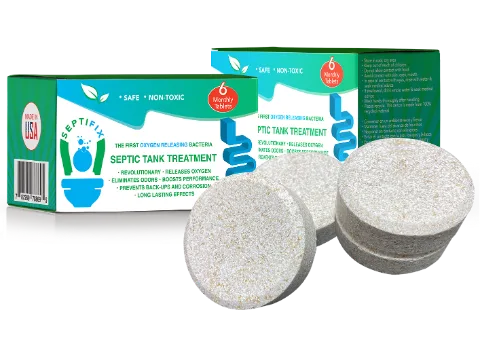
Want to Try Septifix Between Pumpings?
One-time purchase, 60-day money-back guarantee, and free US shipping on 12- and 18-month packages.
Check Official Septifix Price → Opens the official Septifix order page (secure BuyGoods checkout). Prices checked October 7, 2026; confirm the total at checkout.Frequently Asked Questions
Does Septifix replace septic pumping?
We don't recommend relying on it that way. The manufacturer says it can reduce or eliminate pumping, but the EPA recommends inspection at least every three years and pumping as recommended, typically every three to five years.
How often should a septic tank be pumped?
The EPA says household septic tanks are typically pumped every three to five years, based on a professional's inspection.
Is Septifix cheaper than pumping?
A year of Septifix costs about $98 to $138. Pumping costs vary by area and tank size, and it's still needed periodically even if you use Septifix.
Can Septifix fix a full septic tank?
No. A full or overflowing tank needs to be pumped by a professional.
Should I use Septifix after pumping?
You can. After pumping, the tank refills with wastewater that contains bacteria. Some homeowners restart a treatment with the shock dose; ask your septic professional.